192531 Mar
Born
Joseph Hollins is born on 31 March 1925.
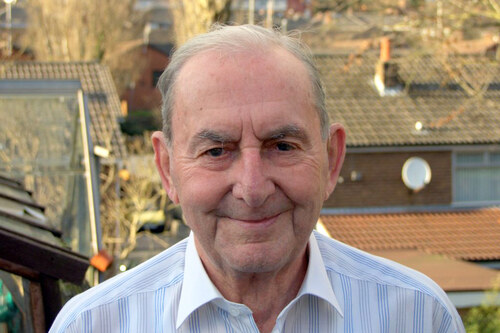
In April 1945 a three-day pass to visit his sick mother kept Joe Hollins off the aircraft on its final operation. The Halifax was shot down over Germany; his replacement and four of his crewmates were killed. Sixty-four years later, one of his own old letters, found by his pilot's daughter, led back to his door.
Joseph Hollins is born on 31 March 1925.
Joe qualifies as a Flight Engineer on the Handley Page Halifax III through No. 4 School of Technical Training, RAF St Athan, passing on 30 August 1944 with an examination result of 65.7%. He musters as a Flight Sergeant and is posted to No. 462 Squadron RAAF, Bomber Command — an RAF airman flying with an Australian squadron, as many did.
Flying as Flight Engineer with 462 Squadron from RAF Foulsham, Joe completes 18 operational sorties for 98.15 operational hours, part of 193.35 total flying hours logged with the squadron — watching engine gauges and fuel state on a Halifax bomber through some of the last, heaviest months of the air war over Germany.
Granted a three-day pass to visit his sick mother, Joe is not aboard when his crew takes Halifax MZ-467 out on the night of 16/17 April 1945, targeting a fighter airfield near Augsburg. His replacement, Sergeant John Gray, dies alongside four other crewmates when the aircraft is attacked twice by a night fighter and crashes near Nordendorf. Pilot Allan Lodder, Flight Sergeant Peter Naylor and Sergeant Casterton survive and become prisoners of war. It is the last Halifax lost by 462 Squadron in the war.
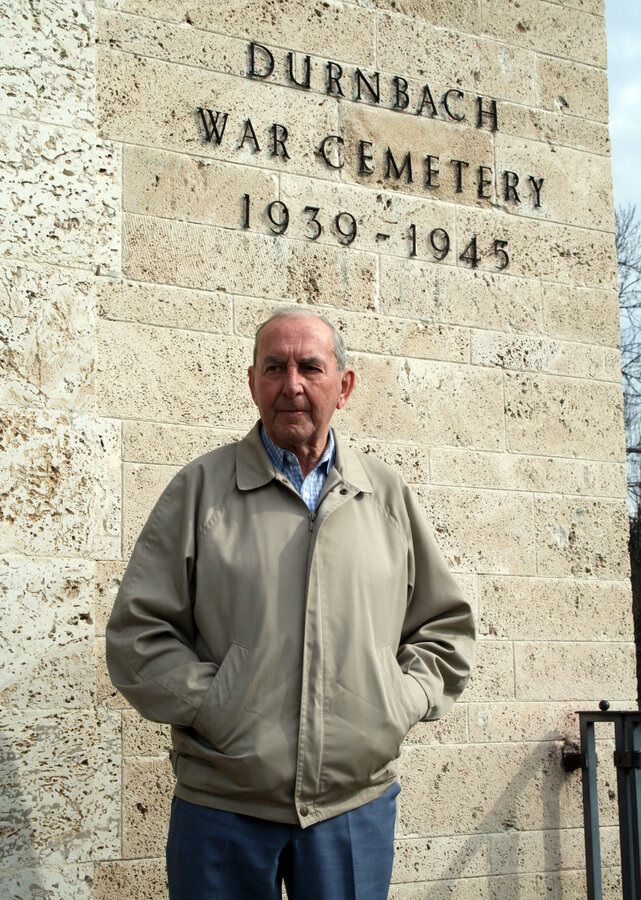
The five who died are buried at Durnbach War Cemetery, south of Munich, within view of the Alps.
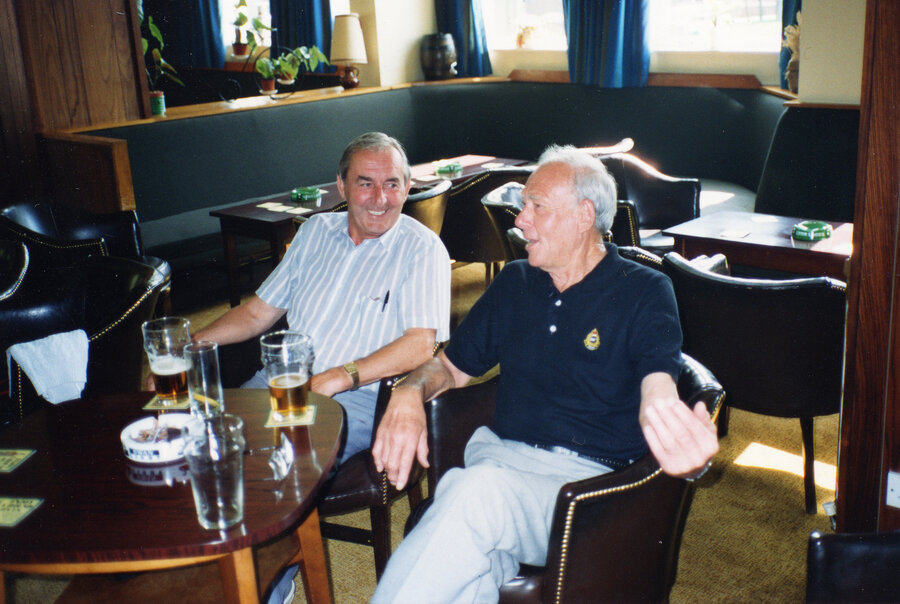
Returning to civilian life, Joe joins the Oldham Borough Police Force, rising to Detective Sergeant and becoming a founding member of the North West's first Regional Crime Squad. After retiring from the police he becomes Chief Security Officer for Argos, travelling the country to advise store managers and security staff. He marries Edna, raises two sons, Peter and Philip, and keeps his police ties through NARPO and the Catenians.
On 12 January 2009, Greg phones Rolf Ebnet and hears the sad news that one of the eyewitnesses to the crash of MZ-467 has passed away at his home, aged 73. Leonard Sturtz was nine years old on the night of the crash, and had told Rolf at their first meeting that he was keen to see a memorial raised for the crew — though he had never known their names. Twelve days later, the letter found by Jenny Murray finally supplies one of those names.
By the late 2000s, Australian aviation researcher Greg Weir and German aviation researchers Rolf Ebnet and Jürgen Rest are independently investigating the loss of MZ-467, and their research eventually points toward Joe. The breakthrough that actually leads to contact comes on 24 January 2009, when Jenny Murray — Allan Lodder's daughter — goes through her father's papers and finds an old letter from Joe to Allan. The two had kept in touch by mail over the years, and the letter carries Joe's address. Armed with that, Greg rings him up, tracking him down just in the nick of time for him to attend the commemoration service only months later.
On the phone with Greg, Joe confirms he was Allan Lodder's Flight Engineer for most of his missions, and that a telegram forced him to leave the crew before their final, fatal operation; he was replaced by Sergeant John Gray. Joe tells Greg he should have been dead at nineteen years of age — a remarkable story he has carried for sixty-four years. He also passes on the sad news that Ronald Eric Casterton, one of the three survivors of the crash, had passed away some time before, the exact date then unknown.
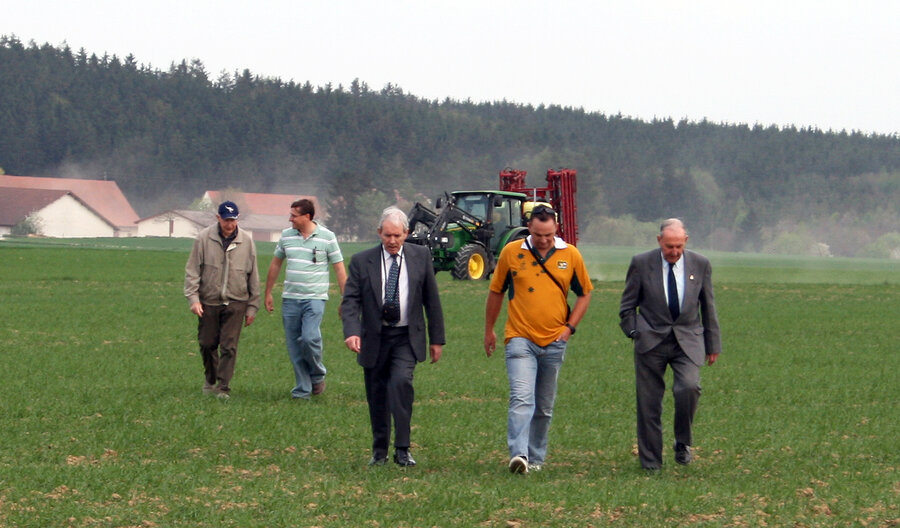
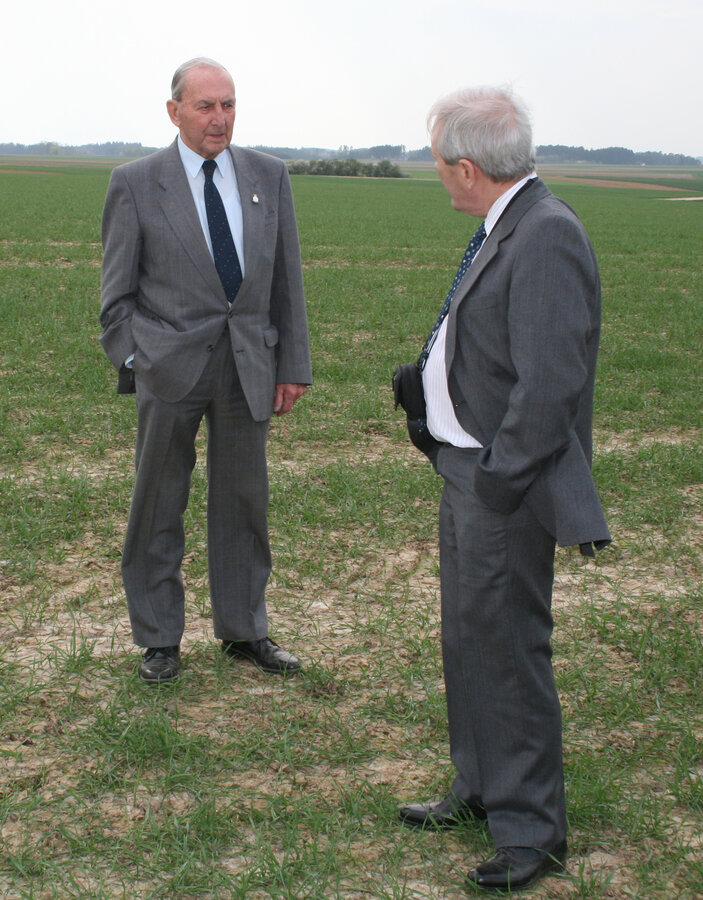
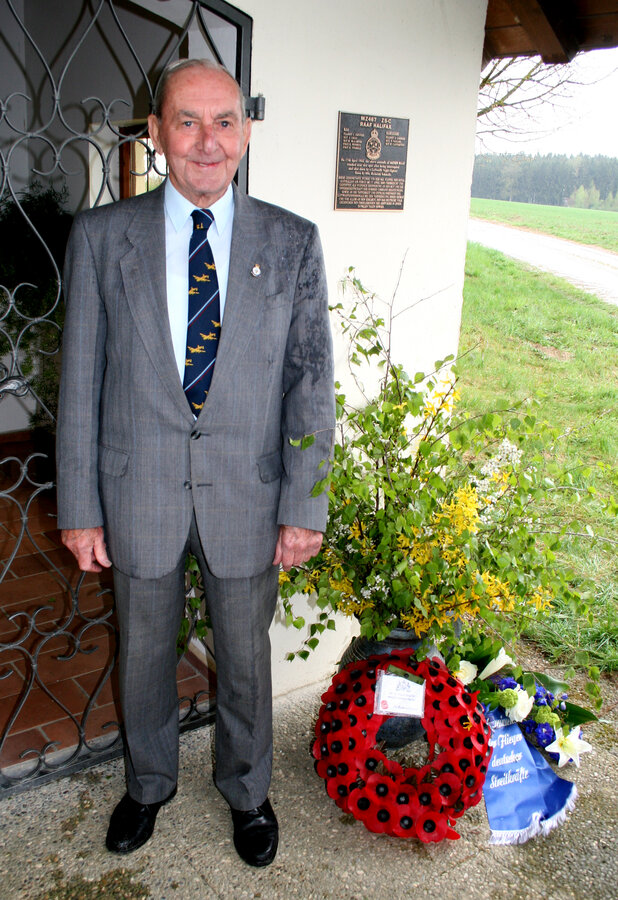
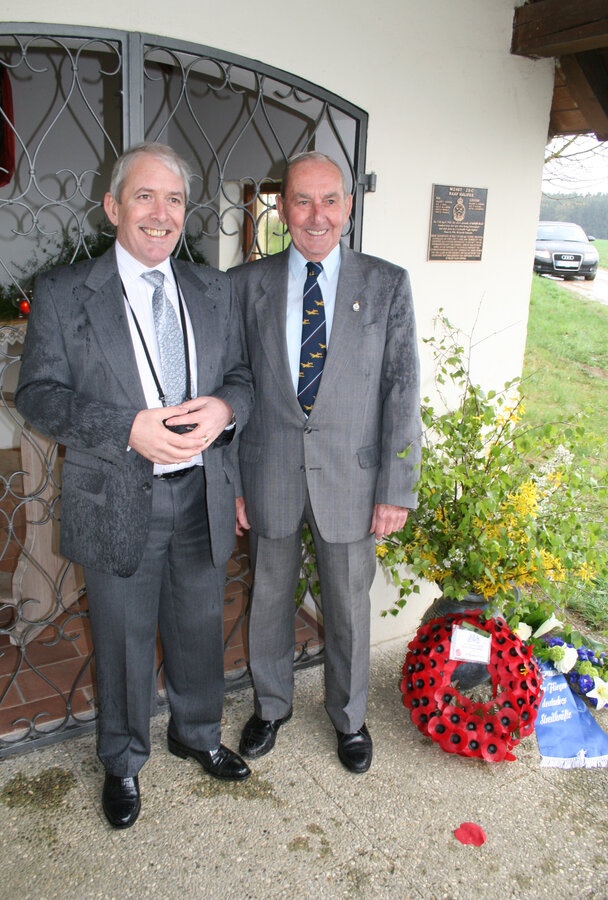
It was Leonard Sturtz's wish, voiced to Rolf at their first meeting, that finally comes to pass: Rolf Ebnet and Greg Weir, with the assistance of 462 Squadron and the German authorities, organise a commemoration service at the crash site, 64 years to the day after the loss — the memorial the young eyewitness had hoped for, though he did not live to see the crew's names attached to it. Joe travels to Germany as guest of honour, welcomed by serving Wing Commander Darren May along with civic and military dignitaries and the researchers who found him. He unveils a plaque in remembrance of his crewmates and lays poppies at their graves at Durnbach.
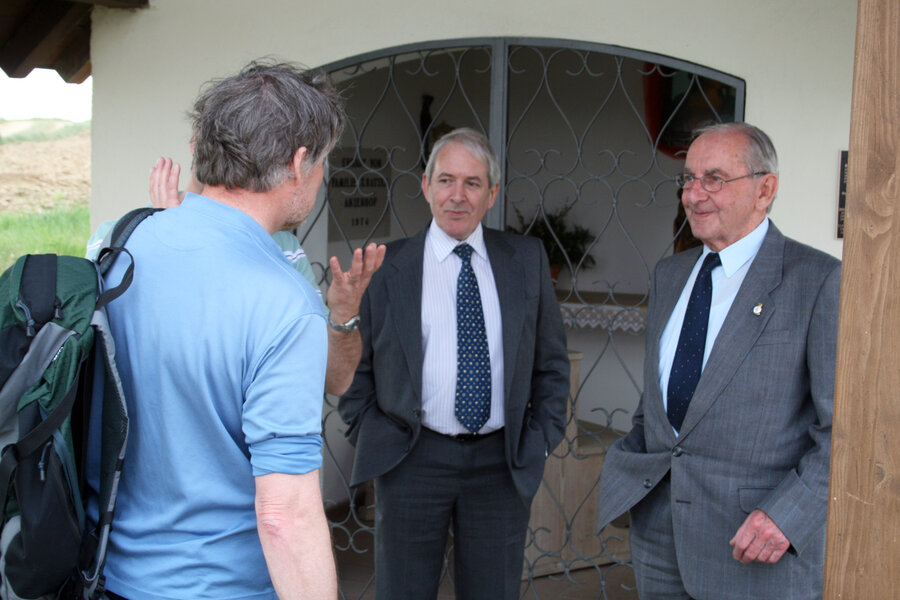
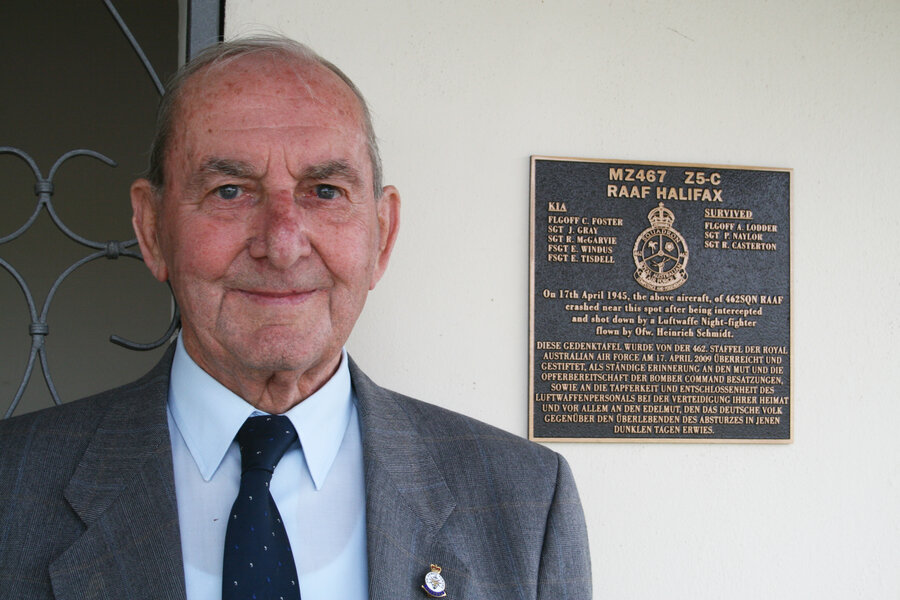
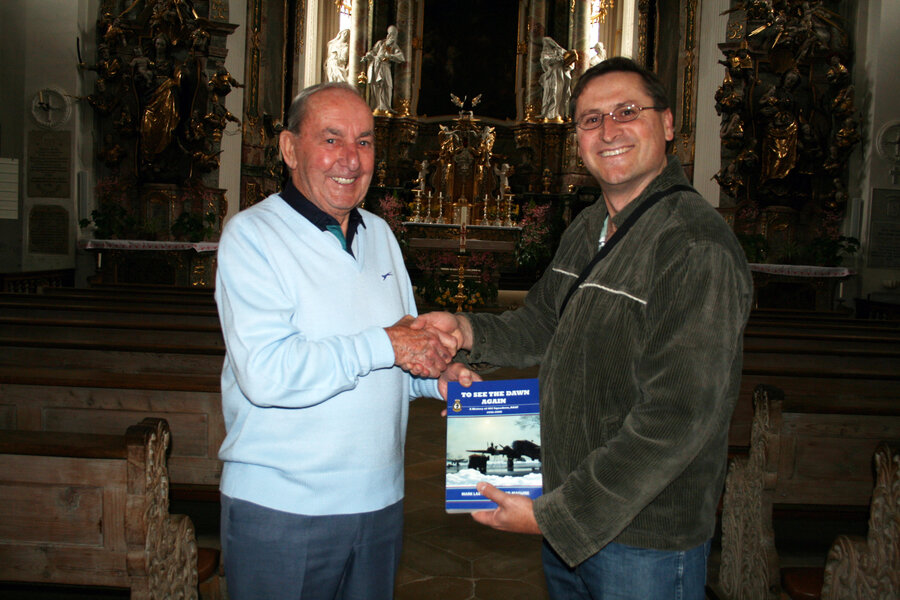
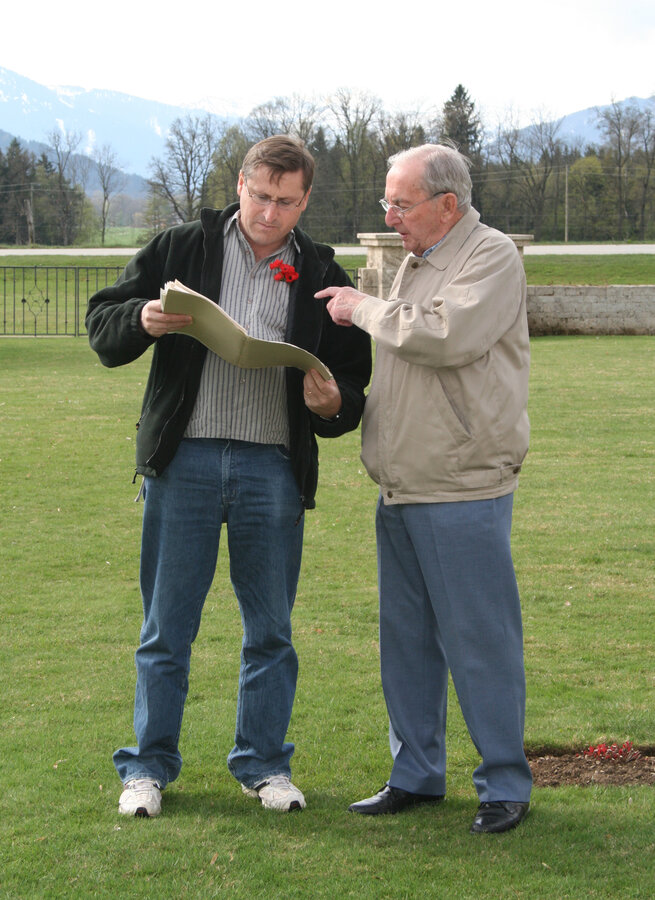
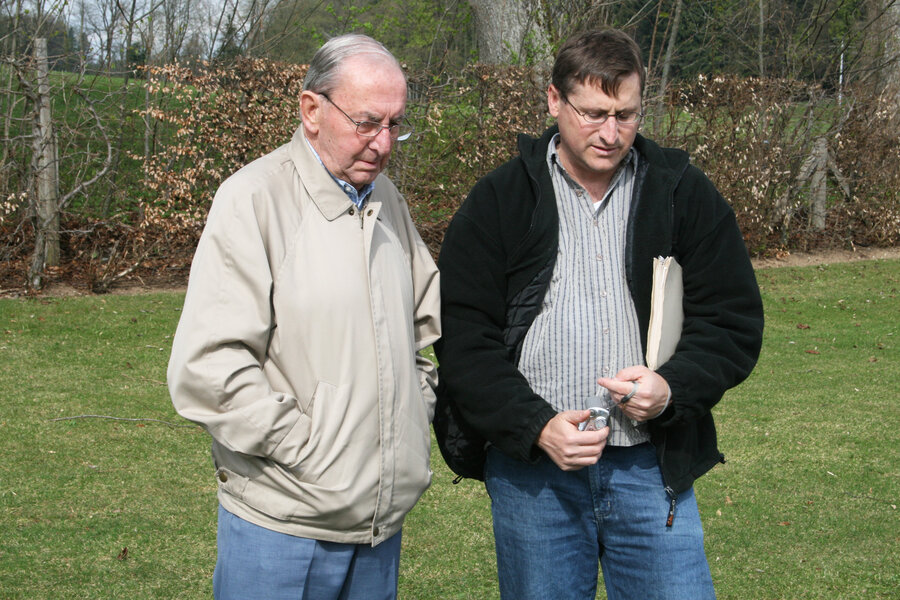
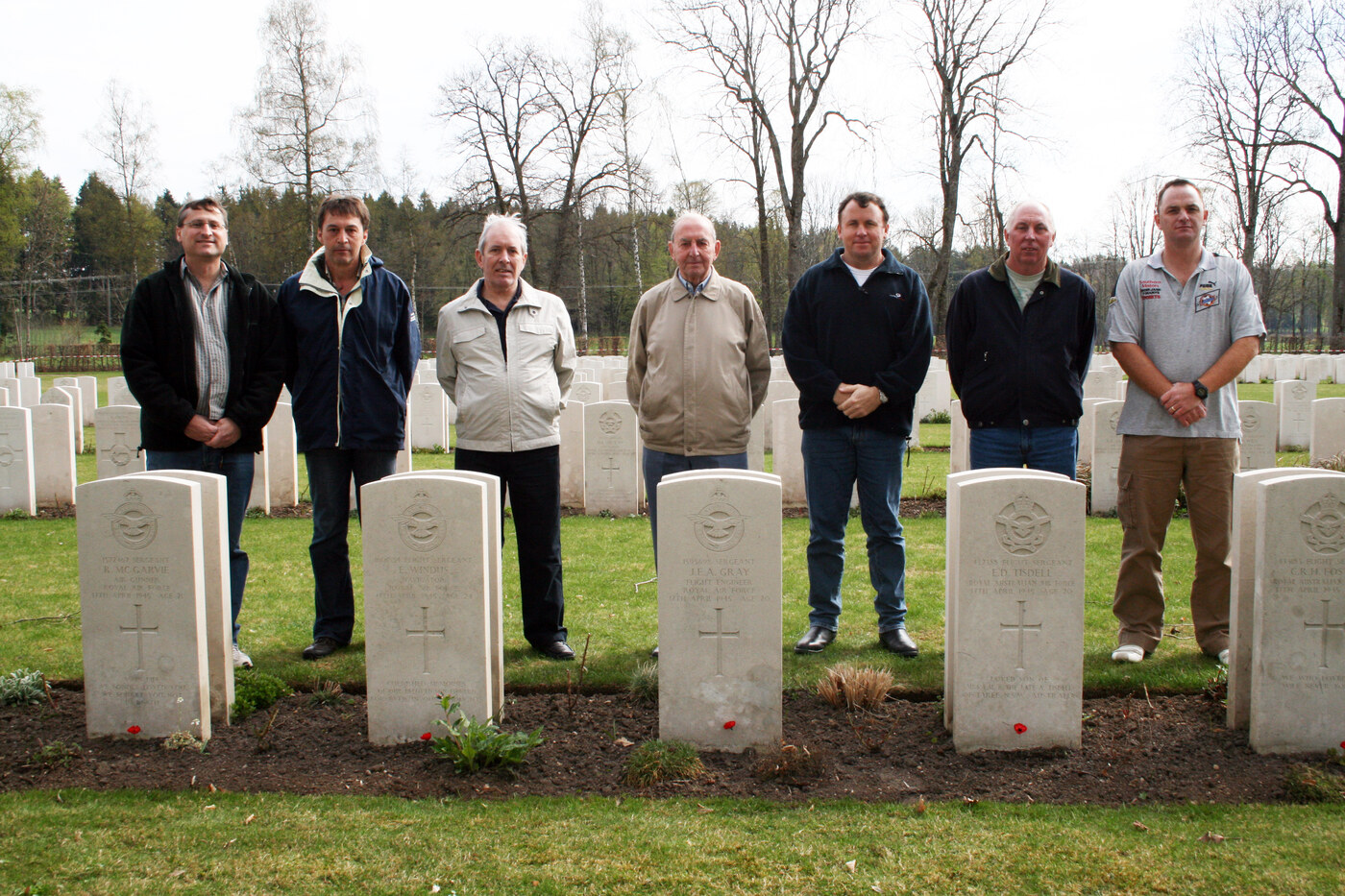
A further service marks the 70th anniversary of the loss; Joe, no longer well enough to travel, is represented by his close friend John Watts. Later that year, when Wing Commander Darren May visits the UK, Joe and his companion Margaret join Watts and his wife Susan for a reunion dinner in York.
Joe passes away on 26 December 2017, remembered by his family, his long-time friend and companion Margaret, and a wide circle of friends from the West End Club, Brookdale Golf Club, and decades of Monday-night company — as a family man, a detective, and the last of his crew to carry the story of MZ-467 home.
Watts, a close friend of three decades, recalled accompanying Joe to Germany for the 2009 commemoration as "an adventure we shared," and described Joe first and foremost as a family man who kept in close touch with his sons, grandchildren and great-grandchildren despite, in Watts's words, struggling a little with 21st-century technology.
He also recounted a lighter note from the 2009 trip: a British government scheme reimbursed veterans' travel costs, and Joe's hotel bill came in oddly higher than his own — because Joe, ever the detective, had quietly put his bar tab on the room rather than paying cash.
